WOOD FLOOR RESTORATION IN HERTFORDSHIRE

Restore damaged, ageing or altered wooden floors with professional wood floor restoration from Arbor Flooring. From replacing damaged boards and filling gaps to repairing areas affected by building work, we provide a complete service designed to retain the character of your original floor.
With over 25 years of experience, we restore wooden floors in homes and businesses across St Albans, Hertfordshire and the surrounding areas. Contact us to arrange an assessment and receive a clear written quotation.
25+
Years Experience
Complete Repairs
Preparation, Repairs and Finishing
Reclaimed Timber
Carefully Matched Where Possible
Clear Advice
Written Quotations and Guidance

Bring Your Original Wooden Floors Back to Life
Original wooden floors can add warmth, character and value to a property, but years of wear, alterations and previous repairs can leave them looking uneven or damaged.
Wood floor restoration goes beyond surface sanding. It can involve securing loose boards, replacing damaged sections, repairing gaps, filling pipe holes and reinstating timber where fireplaces, walls or fitted features have previously been removed.
At Arbor Flooring, we assess the condition of the complete floor before recommending the most appropriate work. Our aim is to retain as much original timber as possible while creating a safe, consistent and attractive finished surface.
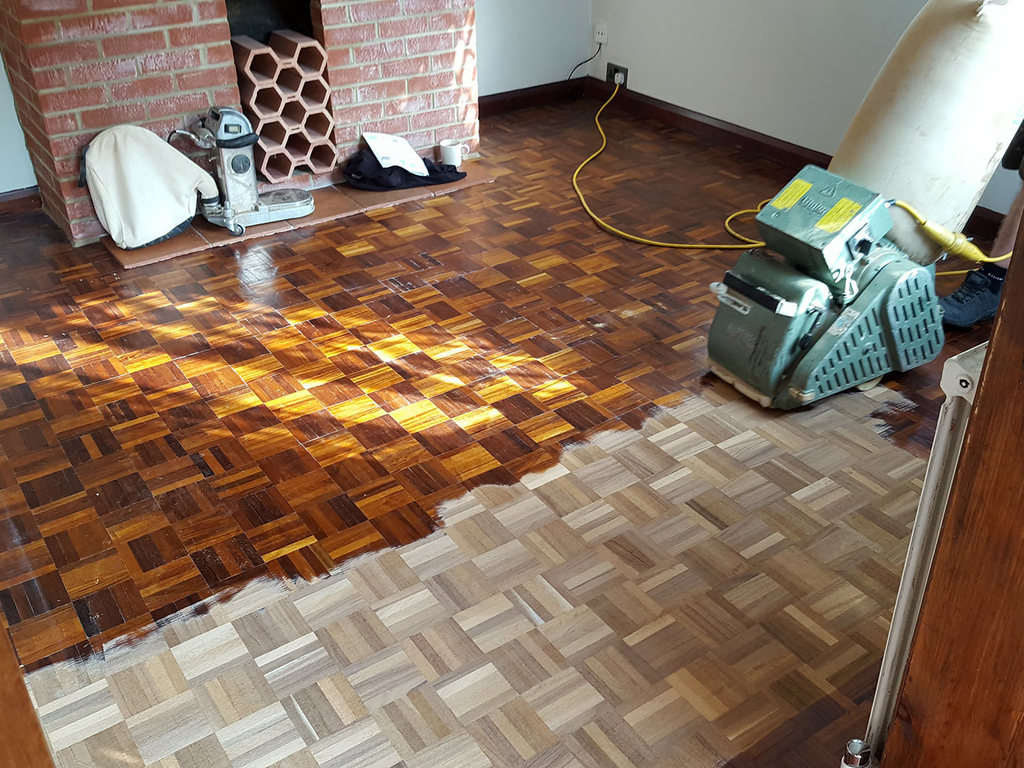
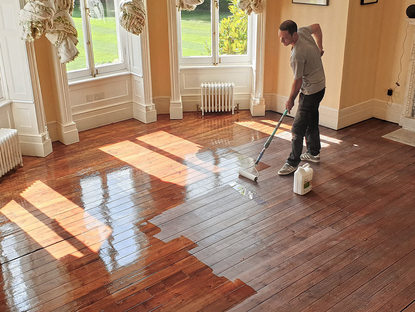
Once the necessary repairs have been completed, the floor can be professionally sanded and protected with a suitable lacquer, oil or coloured finish.
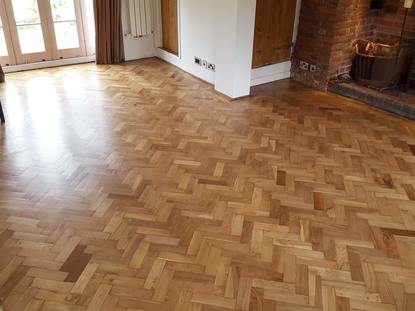
DOES YOUR WOODEN FLOOR NEED RESTORATION?
Wood floor restoration may be suitable if your floor has:
Damaged or Split Floorboards
Loose, Moving or Uneven Boards
Concrete Sections Around Old Fireplaces
Holes Left by Pipes or Building Work
Large or Irregular Gaps
Mismatched Repairs or Replacement Timber
Many older properties contain original floorboards that have been covered by carpets for decades. Once exposed, they may show evidence of plumbing work, removed walls, altered fireplaces or repairs carried out without consideration for the finished appearance.
These issues do not necessarily mean that the floor needs to be replaced. In many cases, damaged areas can be repaired using carefully selected timber before the entire floor is sanded and refinished.
We will inspect the floor and provide honest advice about whether restoration is practical, which repairs are required and what kind of finished appearance can realistically be achieved.
WHY HOMEOWNERS AND BUSINESSES CHOOSE ARBOR FLOORING
Restoring an older floor requires more than sanding equipment. It requires experience identifying different timbers, understanding how older floors were constructed and finding practical ways to integrate repairs into the existing surface.
Arbor Flooring provides a complete restoration service, from the initial condition assessment through to repairs, sanding and protective finishing.
Where possible, we retain original materials and source suitable reclaimed timber for visible repairs. We will also explain where colour or grain differences may remain so that you have realistic expectations before work begins.
Our recommendations are based on the condition of the floor, how the room is used and the result you want to achieve.
What Our WOOD Floor RESTORATION Service Includes
Floor Condition Assessment
We inspect the timber, fixings, gaps, previous repairs and any visible issues affecting the floor.
Subfloor and Structural Repairs
Underlying problems such as loose areas, damaged supports or unsuitable previous repairs can be addressed before finishing work begins.
Replacement Floorboards
Boards that are split, badly damaged or missing can be replaced using suitable new or reclaimed timber.
Holes and
Gap Filling
Pipe holes, smaller gaps and damaged areas can be filled using a method appropriate for the size and movement of the floor.
Professional
Floor Sanding
Once repairs are complete, progressive sanding removes old coatings and creates a smoother, more consistent surface.
Staining and Protective Finishing
The restored floor can be finished using a suitable lacquer, hard wax oil, stain or coloured oil.
HOW WE WORK
1. CONSULTATION
2. CLEAR QUOTATION
3. INSTALLATION OR RESTORATION
4. ENJOY YOUR NEW FLOOR
1. CONSULTATION
3. INSTALLATION OR RESTORATION
2. CLEAR QUOTATION
4. ENJOY YOUR NEW FLOOR
Common Wood Floor Repairs
Removed Walls and Altered Layouts
When two rooms are combined, the position of a former wall may be left as a strip of concrete, mismatched boards or uneven timber.
Where practical, this area can be prepared and infilled with timber to help connect the two floors and create a more consistent appearance.
Fireplace and Hearth Alterations
Removing or replacing a fireplace can leave concrete, damaged boards or an empty section beneath the old hearth.
These areas can often be carefully repaired and fitted with reclaimed or suitably matched timber before the floor is sanded.
Radiator and Pipe Holes
Heating and plumbing alterations can leave holes where pipes or fittings were previously positioned.
Depending on their size and location, these holes can be plugged or repaired with timber so that they are less noticeable once the floor has been finished.
Split or Damaged Floorboards
Floorboards can be damaged by plumbing work, repeated fixings, movement or general wear.
Where a board cannot be repaired securely, the damaged section or complete board may need to be replaced.
Loose and Moving Boards
Loose boards can create movement, noise and an uneven surface.
Before sanding begins, suitable boards can be secured while taking care to avoid hidden pipes, cables and other services beneath the floor.
Uneven Previous Repairs
Earlier repairs may have been completed using different sizes, species or thicknesses of timber.
Where practical, unsuitable repairs can be removed and replaced with a material that provides a closer match to the surrounding floor.
RECLAIMED TIMBER AND MATCHING EXISTING FLOORS
Matching a repair to an older wooden floor involves more than choosing a similar colour. The width, thickness, grain, age and species of the timber can all affect how the repaired area looks.
Where suitable materials are available, Arbor Flooring can use reclaimed floorboards or other carefully selected timber to create a closer match with the existing floor.
Reclaimed timber can be particularly useful when repairing period floorboards because its age and natural character may blend more effectively than new timber.
Reclaimed Floorboards
Suitable for replacing damaged or missing boards in many traditional wooden floors.
Matching Strip Flooring
Can be used to repair narrower sections or areas affected by previous building alterations.
Parquet Blocks
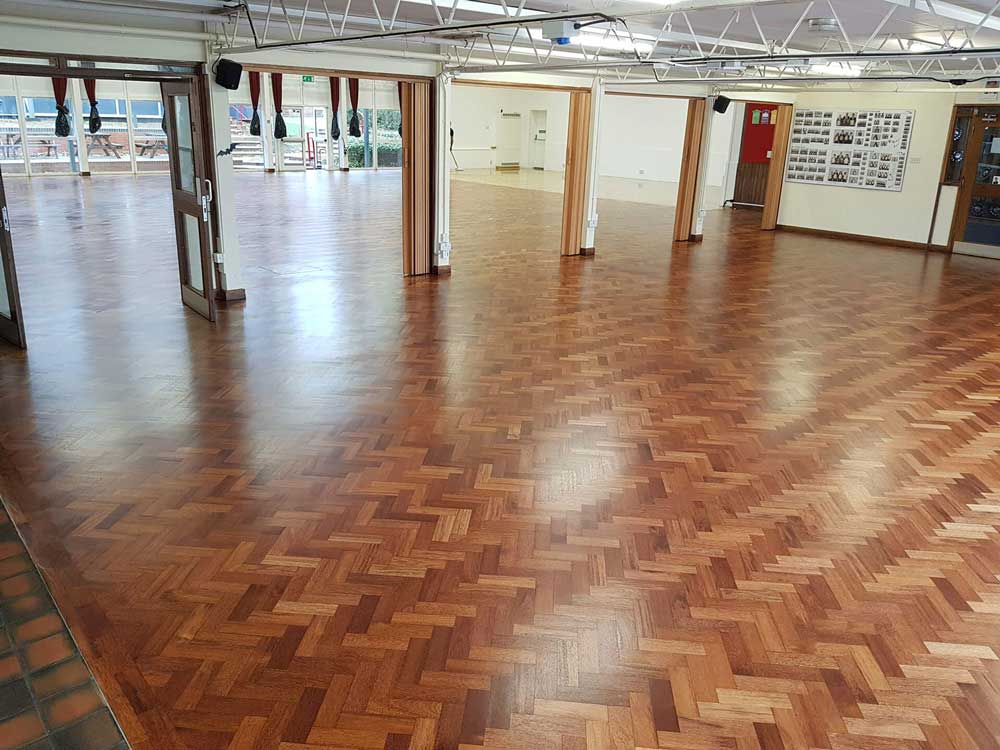
Individual damaged or missing blocks may be replaced as part of a specialist parquet floor restoration project.
However, an exact invisible match cannot always be guaranteed. Older floors naturally contain colour variation, wear marks and differences between individual boards. We will explain the likely appearance before work begins and position replacement timber carefully to create a balanced result.
GAP FILLING AND FLOORBOARD REPAIRS
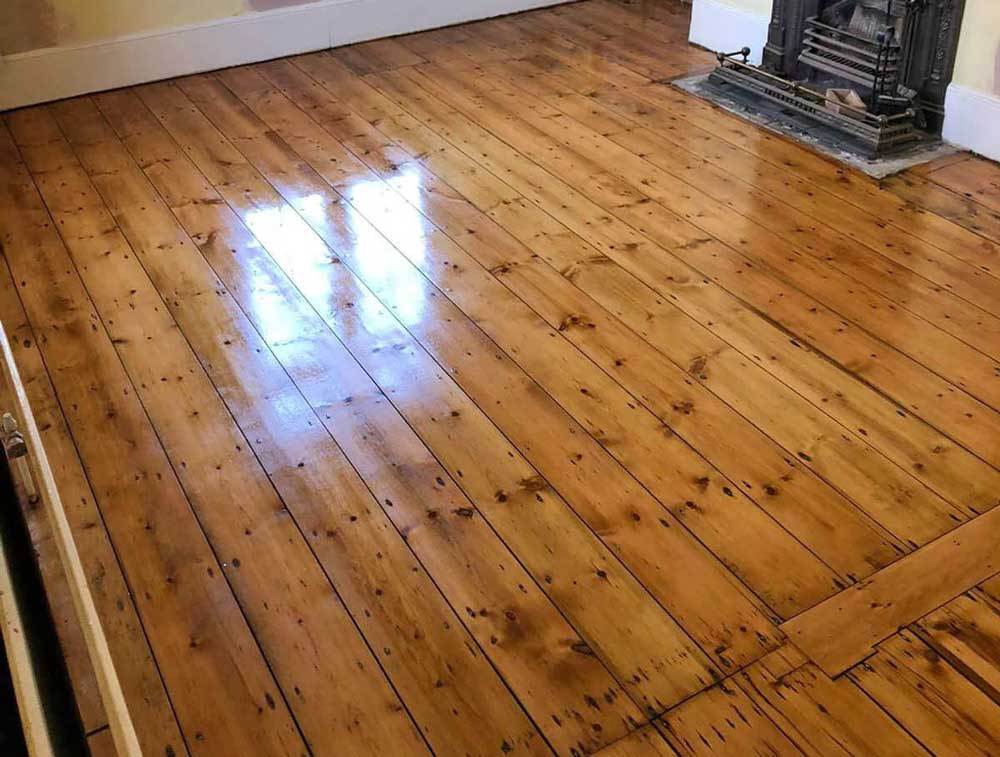
Gaps can develop as wooden floors age and respond to changes in temperature and humidity. Some movement is natural, particularly in traditional floorboards, so the correct repair method will depend on the size and condition of the gaps.
Timber Slivers
Larger gaps between traditional floorboards may be filled using narrow timber slivers. These are fitted into the gaps before being trimmed and sanded level with the surrounding floor.
Resin Gap Filling
Smaller gaps may be filled using a mixture of resin and fine sanding dust. This creates a paste that can be applied to the floor and sanded smooth once hardened.
Individual Board Repairs
Small damaged sections may sometimes be repaired without replacing the entire board. More seriously damaged, weakened or split boards may need to be removed and replaced.
Gap filling is not suitable for every floor. Significant seasonal movement can cause some fillers to loosen or crack over time. We will assess the floor and recommend the most appropriate approach rather than applying a standard solution.
SANDING AND FINISHING A RESTORED WOODEN FLOOR
After repairs have been completed, the floor is professionally sanded to remove old coatings, surface marks and differences in level between repaired and original areas.
We use modern dust controlled sanding equipment to reduce airborne dust and disruption within the property. Progressive sanding with increasingly fine abrasives produces a smoother and more consistent surface ready for finishing.
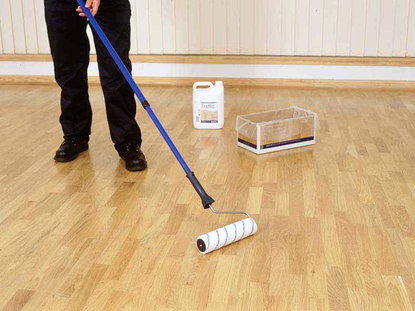
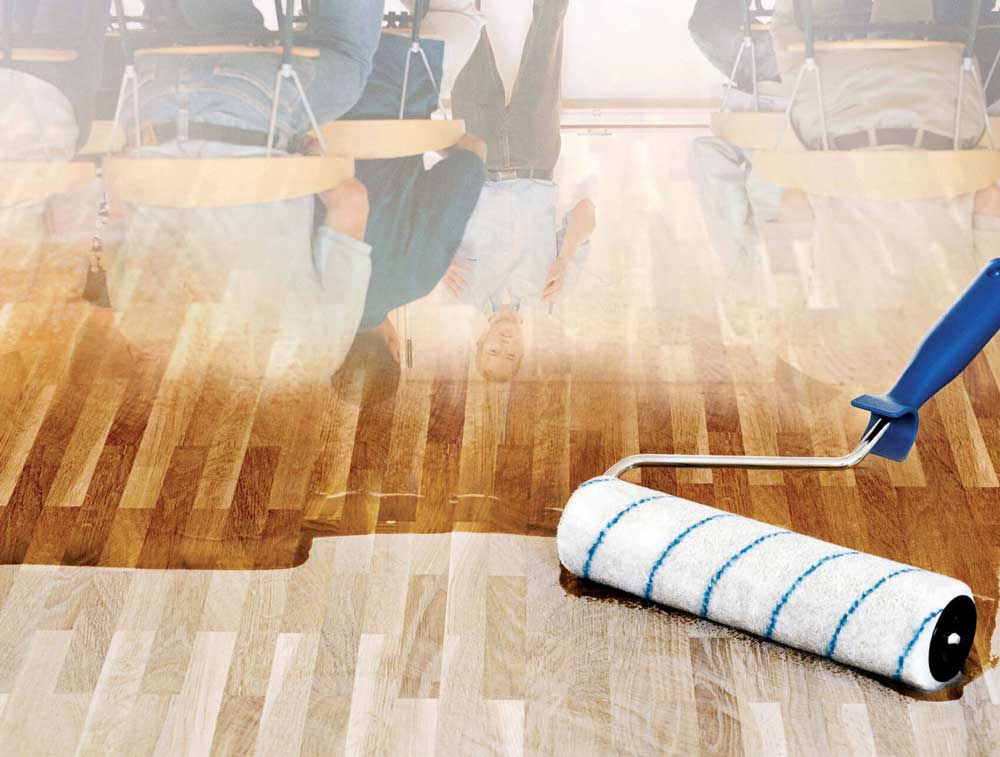
The floor can then be protected using a finish selected according to the timber, the appearance you prefer and the level of use the room receives.
Water Based Floor Lacquer
- Choice of matt or satin appearance
- Straightforward routine maintenance
- Suitable for many busy living areas
Hard Wax Oil
- Natural appearance
- Available in clear and coloured options
- Smaller local repairs may be easier
- Requires more regular maintenance
Floor Stains and Coloured Oils
A stain or coloured oil can be used to adjust the tone of the floor after sanding.
Because different boards may absorb colour differently, particularly where old and replacement timber are combined, sample areas may be recommended before the final finish is selected.
Benefits of Professional Wood Floor Restoration
Retain Original Character
Preserve traditional floorboards and features that contribute to the character of the property.
Repair Visible
Damage
Address holes, broken boards, gaps and unsuitable previous repairs.
Avoid Unnecessary Replacement
Improve an existing floor without automatically removing and replacing all the original timber.
Create a More Consistent Surface
Careful repairs and progressive sanding help reduce differences between damaged and unaffected areas.
Improve
Protection
A suitable lacquer or oil helps protect the restored timber from everyday wear.
Enhance
the Room
A restored wooden floor can make the room feel warmer, cleaner and more complete.
CAN EVERY WOODEN FLOOR BE RESTORED?
Many wooden floors can be significantly improved, but restoration will not be the right option in every situation.
The floor must be inspected to understand the condition of the timber, the amount of movement present and whether there are any underlying structural or moisture related issues.
We will also consider how much usable timber remains, particularly if the floor has been sanded several times in the past.
A floor may require more extensive work if it contains:
- Widespread rotten or weakened timber
- Significant movement in the supporting structure
- Extensive contamination or deep staining
- Large areas of unsuitable replacement material
- Boards that are too thin for further sanding
- Ongoing damp or moisture problems
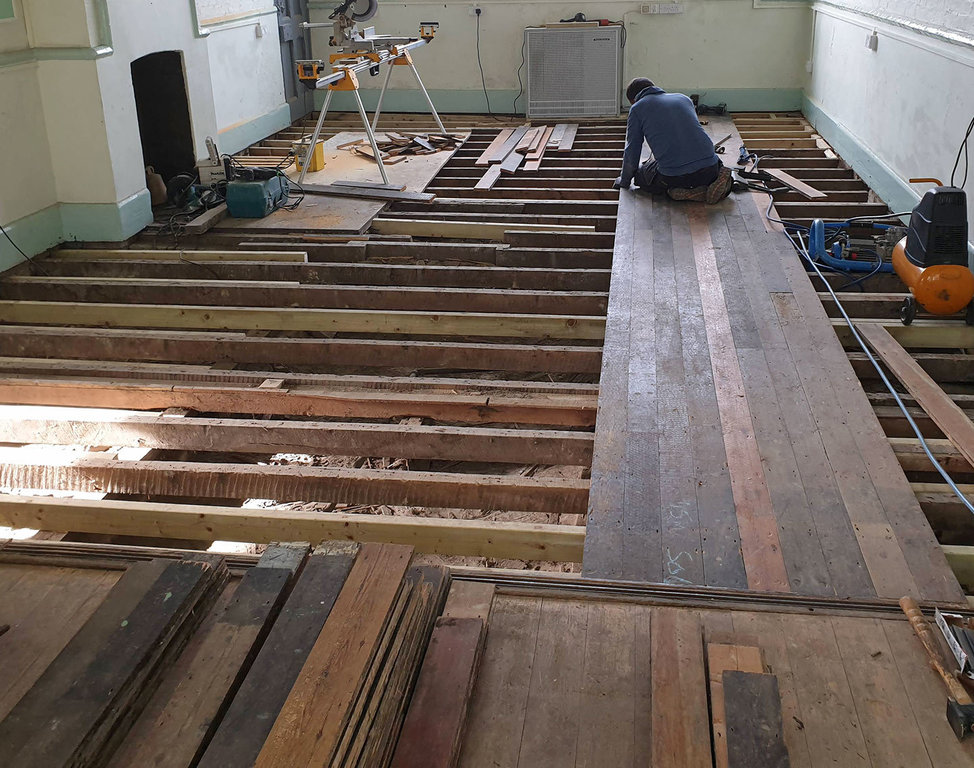
Where restoration is not practical, we will explain the available alternatives. Our aim is to recommend the right approach for the floor rather than carry out repairs that are unlikely to provide a lasting result.
What To Expect During Floor Sanding
Before work begins, furniture and removable items will usually need to be cleared from the room. We will explain any additional preparation required and identify areas where access may be restricted by fitted units, fireplaces or skirting boards.
The length of the project will depend on the size of the floor, the extent of the repairs and the selected finish. A floor requiring replacement boards and structural preparation will naturally take longer than one needing only minor repairs.
Because reclaimed and replacement timber may initially differ in colour from the original boards, some variation should be expected. Sanding and finishing will help bring the floor together, while natural ageing may soften the differences further over time.
We will explain the expected programme before work starts, including drying times, when the floor can be walked on and when furniture can safely be returned.
After restoration, suitable cleaning products, protective furniture pads and prompt attention to spillages will help maintain the new finish.
AREAS WE COVER
Wood floor Restoration across St Albans and Hertfordshire
Arbor Flooring restores wooden floors for homeowners and businesses in St Albans and throughout Hertfordshire.
Whether you have uncovered original floorboards beneath a carpet, need to repair damage caused by previous alterations or want to restore the character of an older property, we would be happy to inspect the floor and provide a clear quotation.
- Hemel Hempstead
- Watford
- Hertford
- Wheathampstead
- Harpenden
- Welwyn Garden City
- Hatfield
- Radlett